Chimney Repair Questions Answered: The Complete Homeowner's Guide
Repair costs, insurance, leaks, flashing, crowns, mortar and liners — a complete homeowner's guide to fixing a damaged chimney.
A damaged chimney is more than a cosmetic problem. Cracked mortar, deteriorating bricks, damaged flashing, chimney crown problems, leaking caps, and liner issues can become progressively worse when they are exposed to rain, heat, moisture, and changing weather conditions.
But how much does chimney repair cost? Does homeowners insurance cover chimney repairs? Can you repair a chimney yourself? Can chimney repair be done in winter? And who should you call when a chimney starts leaking or cracking?
In this complete guide, Chimney Prime answers the most common questions homeowners ask about chimney repair, restoration, costs, insurance, flashing, crowns, mortar, bricks, liners, leaks, and other common chimney problems.
What Is Chimney Repair?
Chimney repair is a broad term covering work performed to correct damaged, deteriorated, leaking, or malfunctioning components of a chimney or fireplace venting system.
Depending on the problem, chimney repair may involve:
Chimney brick repair
Mortar joint repair (tuckpointing)
Chimney crown repair
Chimney cap repair or replacement
Chimney flashing repair
Chimney leak repair
Chimney liner repair or replacement
Chimney stack repair
Damper repair
Masonry restoration
Partial chimney rebuilding
Chimney siding repair
Waterproofing-related work
Because a chimney consists of several different components, determining exactly where the problem originates is an important first step.
How Much Does Chimney Repair Cost?
There is no universal chimney repair price. A minor repair may involve a relatively small section of mortar or flashing, while a severely deteriorated chimney could require extensive masonry work or partial rebuilding.
The cost of chimney repair depends on factors including type of damage, chimney height, roof accessibility, amount of damaged masonry, materials required, condition of the chimney liner, flashing condition, crown condition, water damage, structural movement, labor requirements, and whether scaffolding or specialized access equipment is required.
The most reliable way to determine chimney repair cost is to have the damaged area evaluated.
Are Chimney Repairs Expensive?
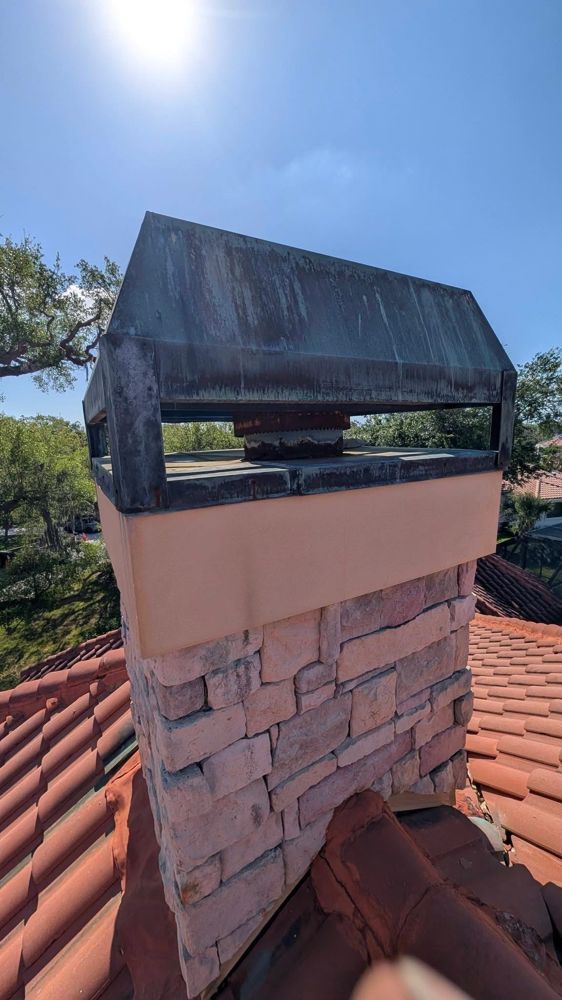
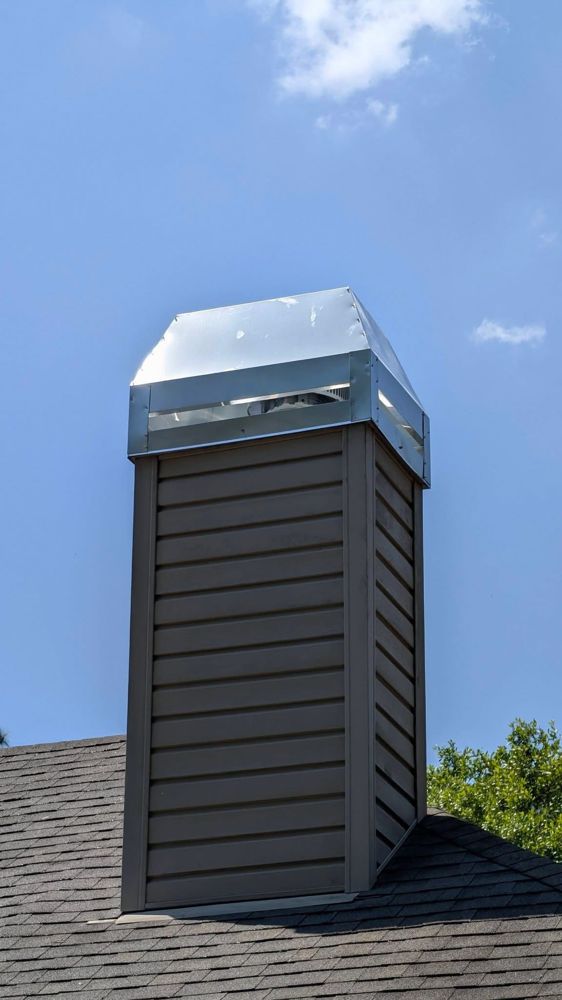
Cap and chase-cover work protects the chimney below
Some are. Many are not. The term "chimney repair" covers everything from relatively minor maintenance to major structural restoration.
For example, repairing a small mortar joint problem is very different from rebuilding a large section of a masonry chimney. This is why online searches for the average cost of chimney repair can produce dramatically different numbers. The extent of the damage matters more than the name of the repair.
Why Is Chimney Repair So Expensive?
When chimney repairs become expensive, several factors may be responsible.
Difficult access
Chimneys are often located on steep or high roofs. Safe access may require specialized equipment.
Masonry work
Repairing brick and mortar properly requires time, preparation, and appropriate materials.
Hidden damage
What appears to be a small exterior crack may sometimes be connected to deterioration beneath the visible surface.
Water damage
Water entering a chimney over an extended period can affect multiple components.
Structural problems
A chimney leaning or pulling away from the house requires a completely different level of evaluation than a minor surface crack.
This is one reason addressing chimney problems early can be important.
Does Insurance Cover Chimney Repair?
Sometimes. Whether homeowners insurance covers chimney repair generally depends on why the damage occurred and the terms, exclusions, and limits of the individual policy.
Insurance may potentially apply when chimney damage results from a covered event, while deterioration associated with normal wear, age, or neglected maintenance is often treated differently. Examples of events that may potentially be relevant include certain storm-related events, fires, lightning events, falling objects, and other sudden accidental damage.
Coverage varies significantly by policy. Homeowners should contact their insurance carrier or agent and review the specific policy before assuming a chimney repair will be covered.
Will Home Insurance Pay for Chimney Repair?
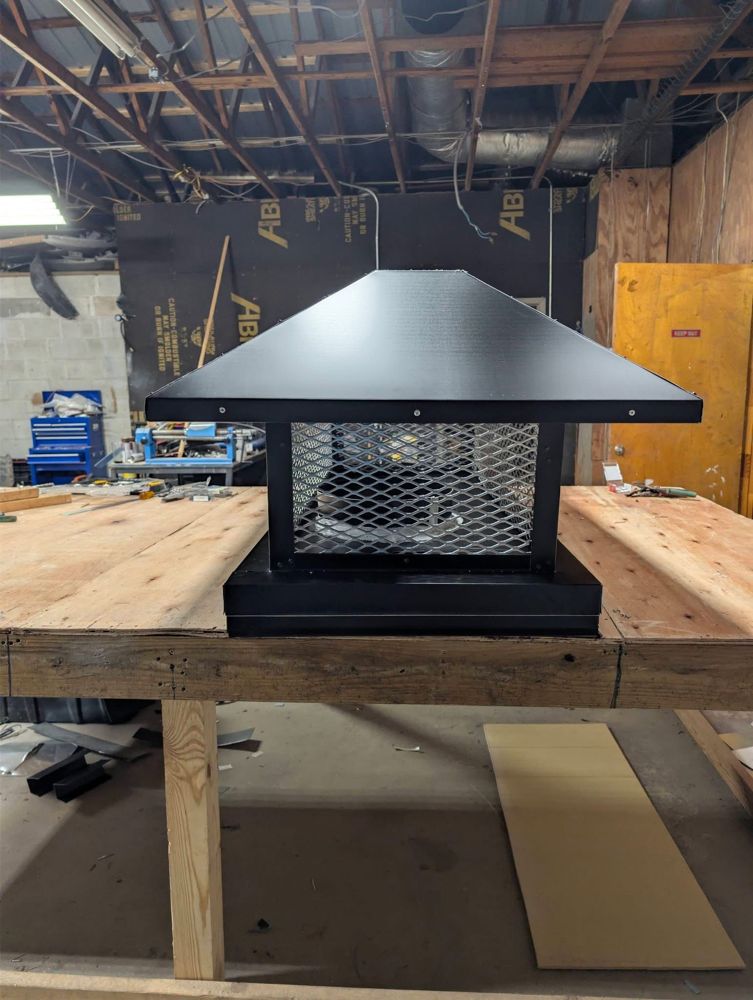
Custom stainless fabrication for a lasting repair
It depends on the cause of damage and your policy. A chimney damaged suddenly during a covered event may be treated differently from a chimney that has deteriorated gradually over many years.
Documentation can be important when making a claim. Photos, inspection findings, repair estimates, and information about the cause of the damage may help the insurance company evaluate the claim. Chimney contractors can document physical conditions, but the insurance carrier ultimately determines whether a claim is covered.
Does Chimney Repair Require a Permit?
Permit requirements depend on the location and scope of work. Minor maintenance may be treated differently from major reconstruction, structural modifications, complete chimney rebuilding, installation or replacement of certain venting systems, and changes involving fireplaces or fuel-burning appliances.
Local building requirements should be checked before beginning work that may require permitting.
Can Chimney Repair Be Done in Winter?
Yes, some chimney repairs can be completed during winter. However, temperature, moisture, wind, and roofing conditions can affect the work.
Certain masonry products, sealants, coatings, and other materials have specific installation requirements. For example, a small component replacement may be possible under conditions where extensive masonry restoration would not be advisable. The appropriate timing depends on the repair and weather conditions.
Can I Repair My Chimney Myself?
Minor maintenance may appear straightforward, but chimney repair can quickly become complicated. DIY chimney repairs can involve roof work, ladder safety, masonry knowledge, waterproofing details, flashing installation, fireplace venting, chimney liners, and structural concerns.
A poorly executed repair may temporarily hide a problem without correcting its underlying cause. If a chimney is leaking, cracking, leaning, deteriorating, or showing significant masonry damage, professional evaluation is generally recommended.
Who Do I Call for Chimney Repair?
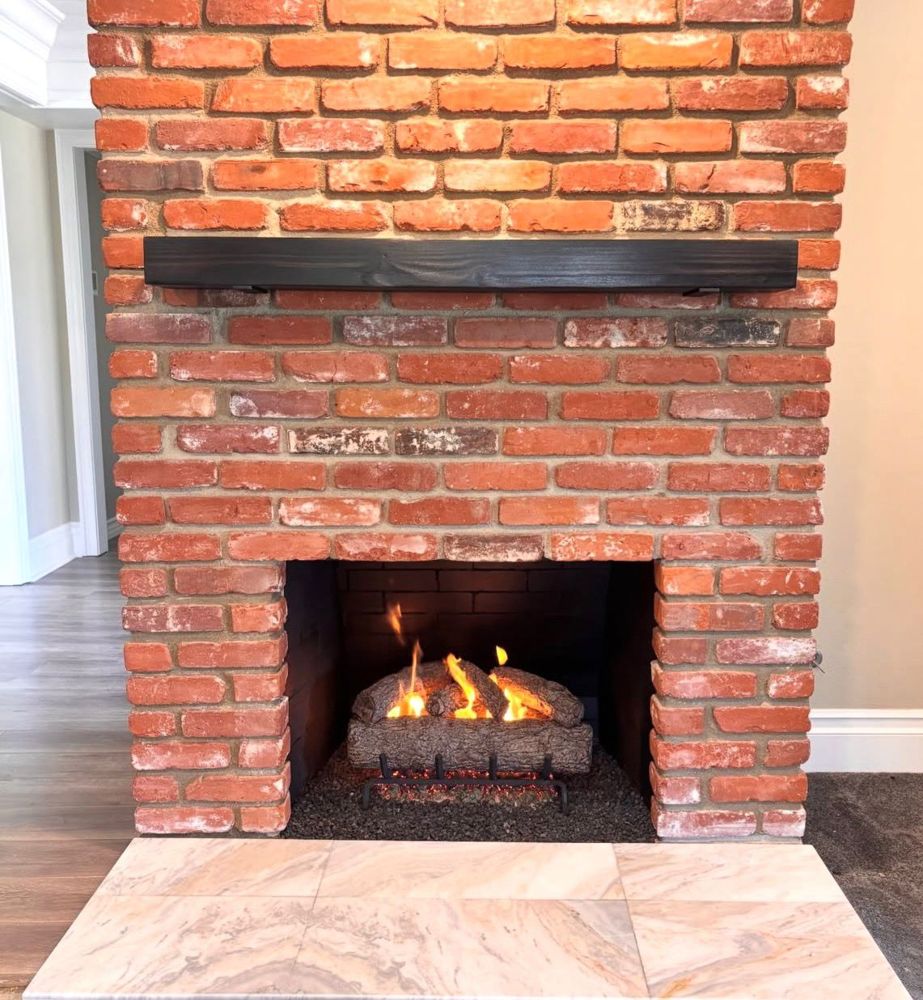
Masonry and firebox repair for older chimneys
If you notice chimney damage, look for a company experienced with the specific type of chimney you have. Common reasons homeowners call chimney repair professionals include chimney leaks, cracked crowns, missing caps, loose bricks, crumbling mortar, damaged flashing, liner problems, fireplace problems, chimneys pulling away from the house, water stains near the fireplace, and deteriorated masonry.
Homeowners in Jacksonville, Florida and surrounding areas can contact Chimney Prime for chimney inspection, repair, cleaning, and installation services.
What Is Chimney Flashing Repair?
Chimney flashing is installed where the chimney passes through the roof. Its purpose is to help prevent water from entering the joint between the roof and chimney.
When flashing becomes loose, damaged, improperly installed, or deteriorated, water may enter around the chimney. Flashing repair may involve inspecting the existing flashing, identifying gaps or damaged sections, removing failed materials when necessary, repairing or replacing flashing components, properly sealing appropriate areas, and checking nearby roofing conditions.
Simply applying sealant over a leak is not always a permanent repair.
How Do You Repair a Chimney Leak?
The first step is identifying where the water is actually entering. A chimney leak can originate from several locations.
Common possibilities include damaged flashing, a cracked chimney crown, a missing chimney cap, deteriorated mortar, damaged bricks, roofing problems near the chimney, failed seals, and masonry absorbing moisture.
This is why simply sealing one visible crack may not solve the problem. A proper chimney leak repair should address the actual source of water intrusion.
What Is Chimney Crown Repair?
The chimney crown is the protective surface at the top of many masonry chimneys. Its purpose is to help direct water away from the masonry structure.
Over time, crowns can develop cracks, deterioration, missing sections, failed edges, and water penetration. Small defects may sometimes be repairable. Extensive deterioration may require rebuilding or replacement of the crown.
How Do You Repair Chimney Mortar?
Mortar joints between chimney bricks deteriorate over time because of moisture, weather exposure, and age. A common repair method is tuckpointing or repointing.
This generally involves removing deteriorated mortar to an appropriate depth and replacing it with compatible mortar. Proper mortar selection matters—using a mortar that is incompatible with existing masonry can potentially contribute to future damage.
What Is Spalling Brick?
Spalling occurs when the surface of a brick begins flaking, peeling, or breaking away. Moisture is a common contributor.
When water penetrates masonry and conditions cause repeated expansion and contraction, the brick surface can deteriorate. Ignoring spalling may allow damage to progress.
What Is Chimney Liner Repair?
A chimney liner forms part of the venting pathway for combustion gases. Different chimneys may contain clay tile, metal, or other approved lining systems.
Potential liner problems include cracks, gaps, deterioration, corrosion, improper sizing, and missing sections. Because the liner is an important component of the venting system, suspected liner damage should be evaluated carefully.
What If My Chimney Is Pulling Away From the House?
A chimney visibly leaning or separating from the house should be taken seriously. Potential causes can include foundation movement, structural settlement, deterioration, poor original construction, soil movement, and long-term moisture problems.
This is not typically a cosmetic DIY repair. A leaning or separating chimney may require professional structural evaluation before the appropriate repair can be determined.
Repair vs. Rebuild: What's the Difference?
A repair addresses specific damaged components. A rebuild involves removing and reconstructing part or all of the chimney.
Repair may be appropriate for small areas of deteriorated mortar, isolated damaged bricks, flashing issues, crown cracks, or cap problems.
Rebuilding may become necessary for extensive loose masonry, major structural deterioration, severe leaning, widespread brick failure, or significant long-term damage.
An inspection can help determine which approach is appropriate.
How Can You Tell If a Chimney Needs Repair?
Watch for warning signs such as cracked bricks, missing mortar, loose masonry, white staining, rust, water stains, fireplace leaks, a cracked chimney crown, a missing chimney cap, damaged flashing, pieces of masonry falling, a chimney leaning, separation from the house, unusual fireplace odors, and visible liner deterioration.
The earlier deterioration is identified, the easier it may be to prevent additional damage.
Why Do Chimneys Develop Problems?
Chimneys are continuously exposed to weather. Common causes of deterioration include water (moisture is one of the biggest challenges for masonry chimneys), age, repeated heating and cooling, poor original construction, storms, and deferred maintenance.
Does Chimney Sweeping Fix Damage?
No. Sweeping can remove buildup, but it does not repair cracked bricks, missing mortar, damaged flashing, broken crowns, damaged caps, chimney leaks, structural movement, or damaged liners.
If physical deterioration is discovered during chimney cleaning, separate repair work may be necessary.
Frequently Asked Chimney Repair Questions
Who repairs chimneys near me?
Look for a chimney company experienced in masonry, flashing, crowns, caps, liners, leaks, and other chimney-specific repairs.
How much can chimney repair cost?
Costs vary considerably based on the type and extent of damage, chimney accessibility, materials, and labor.
Can chimney repair be done in winter?
Some repairs can be performed during winter, but temperature, moisture, and material requirements can affect masonry work.
Does insurance cover chimney repair?
Potentially, depending on the cause of the damage and your insurance policy. Normal deterioration and covered sudden damage may be treated differently.
Can I repair my own chimney?
Minor maintenance may be possible for experienced homeowners, but roof access, masonry, flashing, structural problems, and venting issues often warrant professional service.
Who repairs chimney flashing?
Chimney contractors and qualified roofing professionals may perform flashing repairs.
Who replaces chimney liners?
A qualified professional experienced with chimney venting and the connected fireplace or appliance should evaluate liner replacement.
Is chimney repair expensive?
It depends entirely on the problem. Small localized repairs and extensive chimney rebuilding are very different projects.
Chimney Repair in Jacksonville, FL
If you are searching for chimney repair in Jacksonville, FL, Chimney Prime provides chimney and fireplace services throughout Jacksonville and surrounding communities.
We work with homeowners experiencing problems including chimney leaks, cracked masonry, damaged chimney crowns, missing or damaged chimney caps, deteriorated mortar, damaged bricks, flashing problems, chimney liner issues, fireplace problems, and aging chimney systems.
If you notice water around your fireplace, cracked masonry, damaged mortar, a deteriorated chimney crown, or another chimney problem, contact Chimney Prime at 904-990-9520 to have the system evaluated.
 ChimneyPrime